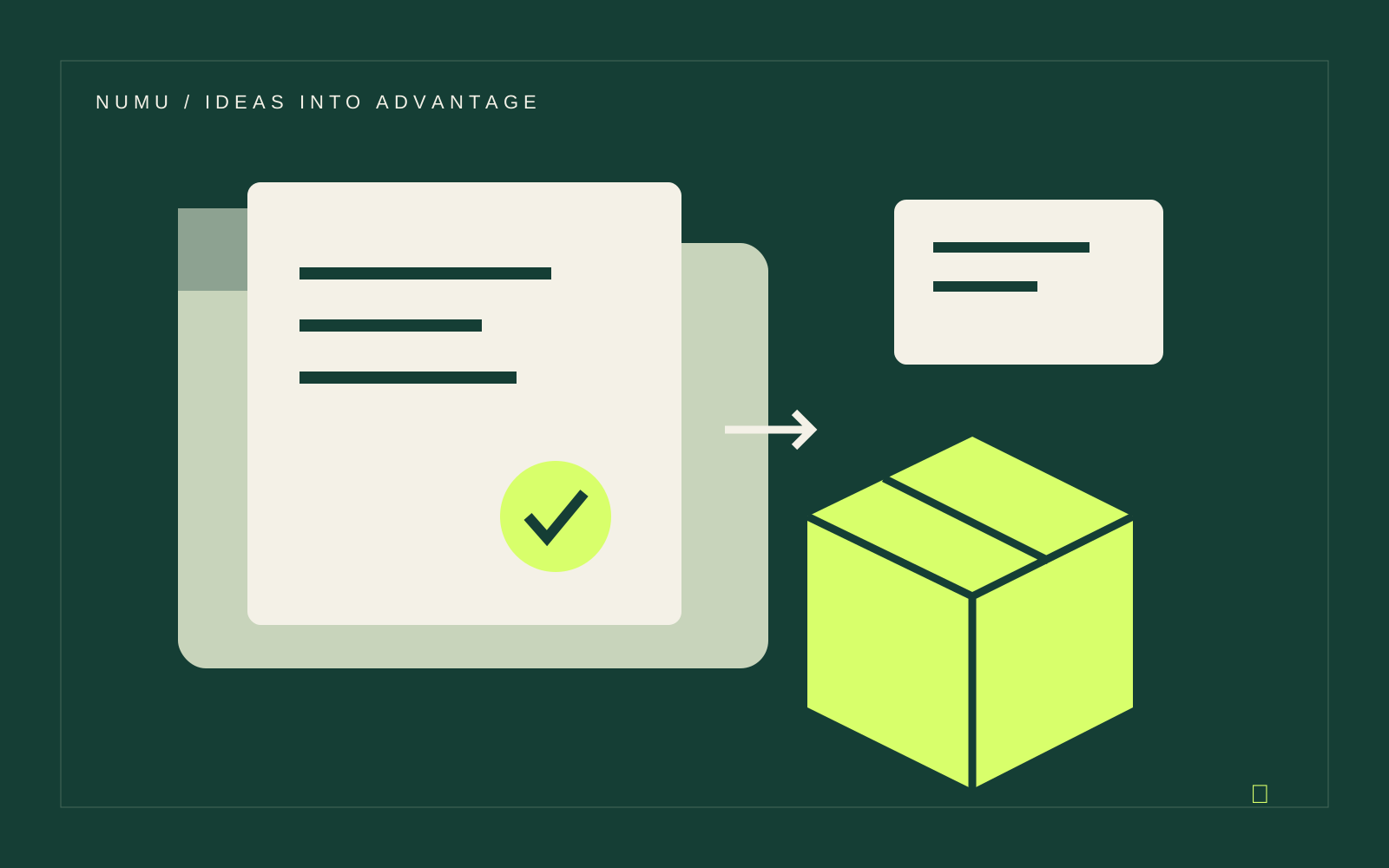
Build the pack around the buyer’s next decision: identity, capability, acceptance, delivery and accountable follow-through.
Design for the buyer’s approval journey
A small supplier can earn interest and still lose momentum because the buyer cannot move its information through procurement, operations and accounts. Treat onboarding as a sequence of decisions, rather than an attachment called company profile. The American Society for Quality describes supplier selection as a cross-functional activity that considers capability, delivery and the total relationship. The following NUMU pack is a practical adaptation, not an ASQ certification requirement. Start by asking the buyer who approves the supplier, who accepts the work, and which evidence each person needs before a first order can be released.
Keep identity separate from the sales story
Create a short identity page using the business name exactly as it appears in its relevant records. Add the business contact, the person responsible for the proposed work, and the approved route for commercial questions. Supply registration or other documents only where relevant to the buyer’s requirements, using a controlled channel. Keep sensitive financial or identity information out of a publicly downloadable brochure. On a separate capability page, describe the specific product or service, delivery geography, practical capacity and limitations. A narrow, supportable description is more useful than a claim that the company can handle every requirement.
Show how the first delivery will be checked
Include a first-order acceptance sheet. It should state what will be delivered, the agreed specification or task, how conformity will be checked, and who can accept it. A sample may help a buyer judge colour, dimensions, finish or usability, but a sample alone does not establish consistent production capability. Record the sample version and explain any difference between the sample and the eventual order. For a service, replace the physical sample with an example output and a clear review method. Define how rejected items or incomplete work will be identified and discussed before the order begins.
Make the operating handover explicit
List the people and documents that move the order from approval to completion. The buyer should know where to send the purchase order, which reference must appear on delivery paperwork, who confirms receipt and what supports an invoice. This is an operational checklist; contractual obligations and local compliance requirements still need their appropriate professional review. In an illustrative scenario, a workshop’s technical team approves the product, but finance cannot process the invoice because the delivery record uses a different company name. A single shared reference and a named handover owner can prevent that avoidable information break.
Protect changes to payment instructions
Payment information deserves a separate verification routine. Agree an established contact route before the first invoice, restrict who can request changes, and independently confirm any changed bank instruction through that route. A convincing-looking email should not become the only evidence for a payment change. The pack itself should state the process without publishing account details. Give documents a version date and nominate one maintainer, so procurement does not keep working from an obsolete attachment. If the buyer uses a supplier portal, align the pack with its fields and retain a record of what was actually submitted.
Close the loop after the first order
After the first order, review the whole sequence with the buyer: missing information, acceptance issues, delays in acknowledgement and unresolved questions. Distinguish a delivery problem from a documentation problem; they need different corrections. Update only the part of the pack that caused friction, then record the change. Do not describe vendor registration as a contract win or a guarantee of repeat business. The useful result is a buyer who can explain what the supplier does, check the first delivery and know who owns the next step. That clarity makes a small company easier to work with.
Sources & context
Official references checked 29 October 2026. Linked sources support the attributed statements; the working method is NUMU’s editorial synthesis.مراجع رسمية تم التحقق منها في ٢٩ أكتوبر ٢٠٢٦. تدعم المصادر العبارات المنسوبة إليها، أما المنهج العملي فهو معالجة تحريرية من نمو.