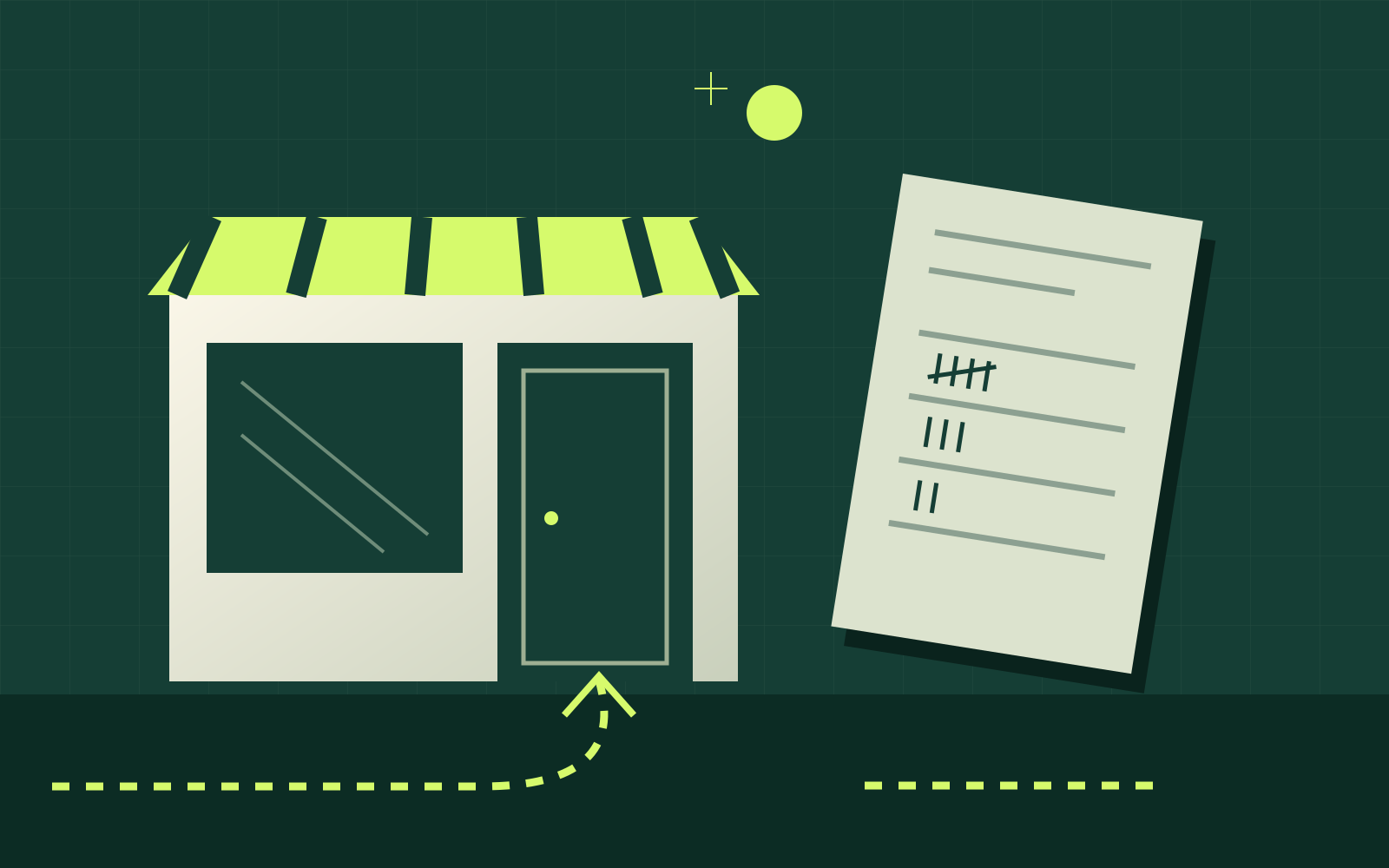
Separate passing movement, access, entry and purchase evidence; a busy road alone does not establish demand for a particular shop.
Define the customer trip
Begin with the trip the proposed shop needs to serve. A convenience purchase on the way home is different from a planned visit for a specialist product. State the likely customer task, the time available and the practical reason to enter this unit rather than another. The U.S. Small Business Administration’s market-research guidance treats customer location, demand and competing options as questions to investigate. It does not provide a retail catchment answer for Oman. Local observations must be collected for the actual unit and intended offer, not borrowed from a national trend.
Design a repeatable observation session
Choose a safe, permitted observation position and write down the date, time, duration and visible conditions. Repeat at meaningfully different periods instead of relying on the most attractive moment. Record unusual events, temporary works, weather and closures that may affect the session. Keep the method simple enough for another observer to repeat. If two people count together, compare their definitions first. A short field visit provides a sample of movement under specific conditions; it is not automatically representative of a week, a season or the people who might buy from the future shop.
Count the right things separately
Keep vehicle movement, people passing the frontage and people entering relevant nearby destinations separate. Decide whether a group counts as one party or several people and apply that rule consistently. Do not call passing vehicles customers, or entries completed purchases. An illustrative session might record forty passers-by in twenty minutes; that observation alone does not establish a daily total or a sales conversion rate. Avoid recording faces, licence plates or identifying details when anonymous counts answer the business question. If using an existing footfall report, inspect its period, coverage, counting method and limitations.
Map friction between movement and entry
Trace the final approach to the door. Note whether the entrance is visible from the relevant direction, whether the visitor can understand the route and what physical obstacles are observable. Inspect practical links between arrival, parking or drop-off, walking and entry without making unsupported legal or accessibility assurances. A nearby activity may generate movement that never reaches this frontage. Sketch crossings, turns and barriers on a simple location diagram. Ask the responsible property team to verify any claims about access rights, delivery arrangements or planned changes rather than treating a casual observation as a confirmed entitlement.
Compare sites on the same basis
Use the same session length, counting categories and notes across shortlisted units where practical. Preserve differences that cannot be matched instead of hiding them in a single score. Compare the quality of information as well as the apparent activity. One site may have several repeated observations while another has only one visit during an event. State that imbalance. Add verified physical and commercial information through the appropriate documents and advisers, but keep it distinct from field notes. A comparison table should expose uncertainty so the decision maker can request the missing evidence.
Turn observations into questions
End the exercise with questions to test, not a verdict that the unit will succeed. Which visitors have a relevant need? What would make them enter? Is the intended offer visible and understandable from their route? Interviews or a suitably authorised small test may explore these questions, but neither should be represented as proven demand before results exist. Combine the findings with the proposed operating model and professional due diligence. The value of observation is sharper judgment about the next investigation. It cannot promise rent affordability, investment returns or a shop’s eventual sales.
Sources & context
Official references checked 29 October 2026. Linked sources support the attributed statements; the working method is NUMU’s editorial synthesis.مراجع رسمية تم التحقق منها في ٢٩ أكتوبر ٢٠٢٦. تدعم المصادر العبارات المنسوبة إليها، أما المنهج العملي فهو معالجة تحريرية من نمو.